Accepting Medicare

How Massage Therapy Helps Speed Up Muscle Injury Recovery Naturally
Even after the initial discomfort begins to ease, reduced flexibility, muscle tension, and restricted movement can continue interfering with everyday activities. Injuries caused by sports, repetitive motions, exercise, or physical strain often require ongoing care to help the body recover properly. Many individuals in the Cave Creek area turn to massage therapy as part of their recovery routine to ease muscular tightness, improve mobility, and support more natural movement patterns.
Healthcare providers often recommend massage therapy alongside physical rehabilitation, stretching, and chiropractic care during recovery. When combined with other recovery strategies, massage therapy may encourage better flexibility, mobility, and overall physical function.
Why Soft Tissue Injuries Can Take Longer to Heal
Soft tissue injuries affect muscles, tendons, ligaments, and connective tissue throughout the body. These structures play an important role in stability, posture, and movement.
Common causes of soft tissue injuries include:
- Sports-related strain
- Repetitive movement patterns. Healing after an injury is not always straightforward.
- Poor posture
- Heavy lifting
- Exercise-related overuse
- Sudden physical impact
When tissue becomes irritated or strained, the body responds with inflammation and muscular guarding. Nearby muscles may tighten to protect the injured area, but prolonged tension can reduce mobility and contribute to discomfort during everyday activities.
In some cases, reduced movement during recovery may also lead to stiffness and limited flexibility. Healthcare providers often include manual therapy techniques to support flexibility and movement during recovery.
How Massage Therapy Accelerates Injury Recovery
Massage therapy involves controlled manual techniques designed to work with muscles and connective tissue. Different approaches may be used depending on the severity of the injury and the stage of recovery.
Improved Blood Flow Supports Healing
Circulation plays an important role in tissue repair. “Blood flow supplies injured areas with oxygen and nutrients that support the healing process.
Massage therapy may help improve circulation by reducing tension in the surrounding muscles.
Improved circulation may help support:
- Tissue recovery
- Muscle flexibility
- Physical comfort
- Movement quality
- Reduced stiffness
This can be especially helpful during rehabilitation when the body is gradually returning to normal activity levels.
Reduced Muscle Tension and Guarding
After an injury, muscles often tighten to stabilize and protect the body. While this response is natural, ongoing muscular tension may place additional strain on nearby joints and tissues.
Massage therapy may help reduce tension and improve overall movement comfort and ease of movement throughout recovery.
Therapeutic massage benefits may include:
- Better range of motion
- Reduced muscle tightness
- Improved mobility
- Less physical tension during daily activities
Massage therapy does not provide instant recovery, but it may help support the body’s healing environment over time.
Why Healthy Tissue Mobility Matters During Recovery
During recovery, connective tissue can become restricted if movement remains limited for too long. Gentle manual therapy techniques may help maintain tissue mobility while reducing tension that develops around injured muscles.
Supporting soft tissue healing is important because restricted tissue movement may affect posture, flexibility, and physical function over time.
Massage therapy is commonly included in recovery programs for:
- Muscle strains
- Tendon irritation
- Sports injuries
- Shoulder tension
- Lower back tightness
- Repetitive strain injuries
Treatment plans should always reflect the patient’s individual condition, activity level, and overall health history.
When Deep Tissue Massage May Help Relieve Tension
Some injuries create deeper muscular tension that lighter massage techniques may not fully address. In these situations, deep tissue massage for pain relief may be recommended as part of a conservative care approach.
Deep tissue massage targets deeper muscle layers and connective tissue with slower, more focused pressure.
This technique is often used to help address:
- Chronic muscular tightness
- Restricted mobility
- Exercise-related tension
- Postural stress patterns
- Muscle stiffness related to overuse
Massage techniques are typically modified based on how the body responds during recovery. Applying excessive pressure too early may irritate sensitive tissue rather than support recovery.
A trained provider will typically adapt treatment techniques according to how the body responds during care.
How Chiropractic Care and Massage Therapy Complement Each Other
Muscles and joints work together to support movement throughout the body. When one area becomes restricted, nearby tissues often compensate. Over time, this may contribute to muscle strain, stiffness, and limited mobility.
A chiropractor in Cave Creek may recommend massage therapy alongside chiropractic care because these therapies often support different aspects of musculoskeletal health.
Chiropractic Care Often Focuses On
- Joint mobility
- Spinal alignment
- Movement restrictions
- Nervous system function
Massage Therapy Often Focuses On
- Muscle relaxation
- Tissue flexibility
- Circulation
- Physical comfort
These therapies often work together to improve movement quality and physical comfort.
Signs Massage Therapy May Help During Recovery
Massage therapy is commonly used during recovery from a variety of musculoskeletal conditions and movement-related injuries.
It may be helpful for people experiencing:
- Sports-related muscle soreness
- Neck and shoulder tightness
- Lower back tension
- Reduced flexibility after injury
- Repetitive workplace strain
- General muscular stiffness
However, massage therapy is not appropriate for every condition. Certain injuries, including fractures, infections, or severe inflammation, may require different medical care before manual therapy is introduced.
Patients should always follow professional guidance regarding recovery plans and activity levels.
What Recovery Often Looks Like
Every recovery process is different and may be influenced by overall health, lifestyle, and the extent of the injury.
Most rehabilitation plans include a combination of:
- Rest and activity modification
- Mobility exercises
- Stretching routines
- Gradual strengthening
- Hydration and recovery support
Healing is often gradual rather than immediate. Some days may feel easier than others, especially when the body is adjusting to increased movement and physical activity.
Steady progress is often more effective than pushing the body too hard during recovery.
Expert Insight on Recovery and Mobility
Healthcare professionals who work with musculoskeletal injuries often focus on restoring movement quality rather than only reducing discomfort. Tight muscles and restricted tissue movement can continue to affect posture and mobility long after the initial injury has begun healing.
Addressing movement restrictions early may help support healthier physical function over time.
Massage therapy is generally most effective when combined with appropriate rehabilitation, mobility care, and healthy movement habits.
Simple Ways to Support Muscle Injury Recovery
Daily habits can influence how the body responds during recovery. Supporting movement and reducing unnecessary physical stress may help improve long-term mobility.
Helpful Recovery Tips
- Stay hydrated throughout the day
- Avoid returning to strenuous activity too quickly
- Prioritize sleep and physical recovery
- Follow professional guidance for stretching
- Maintain gentle movement when appropriate
- Practice posture awareness during daily activities
Small lifestyle adjustments can often support healthier movement patterns during rehabilitation.
Wrapping Up
Recovering from an injury involves more than simply reducing discomfort. Recovery often depends on how well the body regains flexibility, movement, and muscular balance. A better understanding of massage therapy during rehabilitation can support informed choices about mobility and musculoskeletal wellness.
For individuals seeking supportive wellness care focused on mobility and recovery, Tatum Chiropractic and Wellness – Cave Creek offers a patient-centered approach designed to support healthier movement and overall well-being.
Frequently Asked Questions
Massage therapy may support circulation, reduce muscular tension, and improve mobility during the healing process.
It depends on the type of injury and the stage of recovery. Deep pressure techniques should always be adjusted carefully based on tissue sensitivity and healing progress.
Many people use massage therapy to help improve flexibility and reduce muscular tightness after physical strain or injury.
In some situations, these therapies may complement one another by supporting both joint mobility and muscle function.
Several factors can affect recovery time, including the seriousness of the injury and overall physical health. Some injuries improve within weeks, while others require longer rehabilitation.
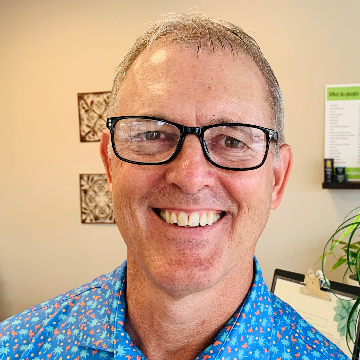
Reviewed by
Dr. Tim Lind, DC
Dr. Tim Lind, DC is a licensed chiropractor and founder of Tatum Wellness and Chiropractic in Cave Creek, Arizona, serving patients across the Phoenix metro area. A 1990 graduate of Los Angeles Chiropractic College, he has over 35 years of experience helping patients recover from spinal conditions, disc injuries, joint dysfunction, headaches, and other musculoskeletal concerns.
Specialties & Training:
- Over 300 hours of post-graduate education in functional neurology, functional medicine, endocrinology, and non-surgical rehabilitation of disc injuries
- Trained in Gonstead, Diversified, Thompson Drop, Flexion-Distraction, instrument-assisted adjusting, and Trigenics®️
Patient Approach:
Dr. Lind believes no two patients are the same. He carefully evaluates the nervous system, movement patterns, and overall health to create personalized care plans for both acute and chronic conditions.
Outside the Clinic:
An avid golfer, fly fisherman, and hiker, Dr. Lind enjoys spending time with his wife Shelley and family in Arizona.